
Welcome to the ALS Canada blog where you’ll find a collection of articles and updates on ALS-related topics. We strive to develop content that our community will find valuable and deliver up-to-date information about ALS research, community-based support, and advocacy initiatives. We also provide Ontario fundraising event updates and share personal stories about people and families living with ALS in Ontario to keep our community connected. For content in French, please refer to the “Français” category in the main menu.
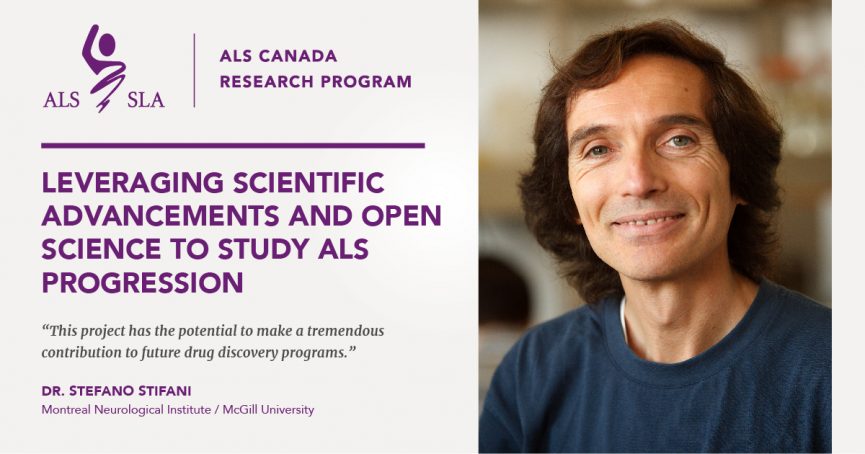
Leveraging scientific advancements and open science to study ALS progression
February 2, 2018
ALS is a disease that gradually paralyzes people as motor neurons lose their ability to communicate with the muscles of the body and eventually die. But the problems are not only caused by changes inside motor neurons: the cellular environment... Read More
Posted in: Research
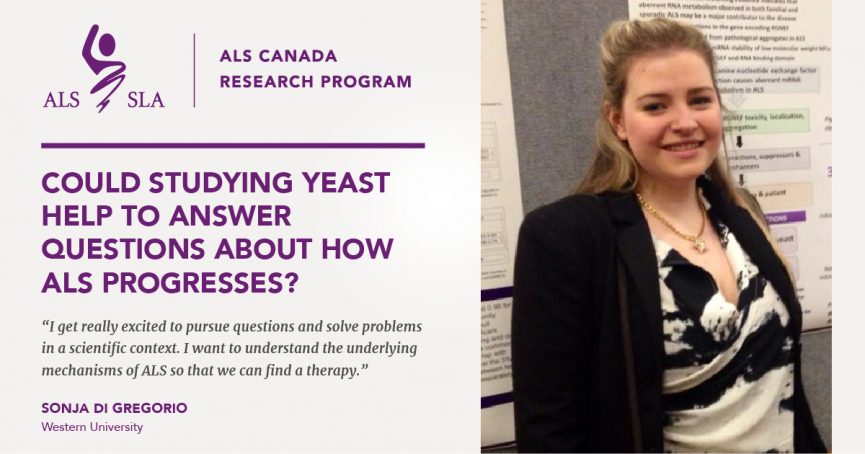
Could studying yeast help to answer questions about how ALS progresses?
January 26, 2018
If you look at a picture of a cell in a science textbook, the internal structures look static and neatly organized. But living cells are bustling with numerous processes, converting nutrients into energy and making proteins that the body’s tissues... Read More
Posted in: Research

Could touchscreen technology improve testing for cognitive impairment in ALS?
January 12, 2018
Frontotemporal dementia (FTD) is a group of disorders caused by nerve cell loss in areas of the brain responsible for managing cognitive functions and voluntary movement. By itself, FTD, which is the second most common form of dementia after Alzheimer’s... Read More
Posted in: Research

Comparing DNA profiles of Canadians with a similar heritage
Can whole genome sequencing reveal new genetic mutations in ALS?
January 4, 2018
Deep inside the nucleus of every cell in the body, DNA carries the master blueprint—the full set of genetic instructions needed for the body to grow, live and reproduce. DNA looks like a twisted ladder made from 3.2 billion pairs... Read More
Posted in: Research
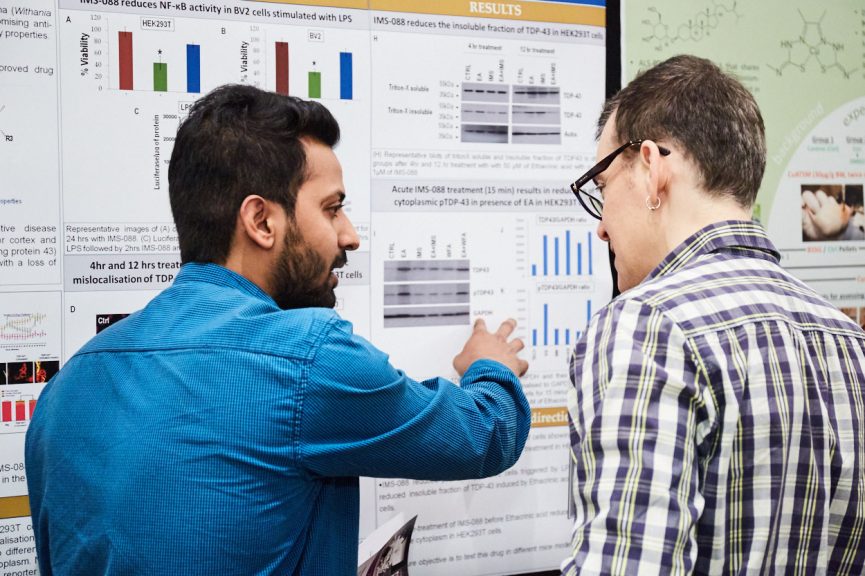
Most newsworthy research stories of 2017
December 20, 2017
In 2017, major scientific advances in Canada and internationally have led to significant and exciting progress in ALS research. Discoveries that increase our understanding of the disease are happening far more often than ever before and as a result many... Read More
Posted in: Research
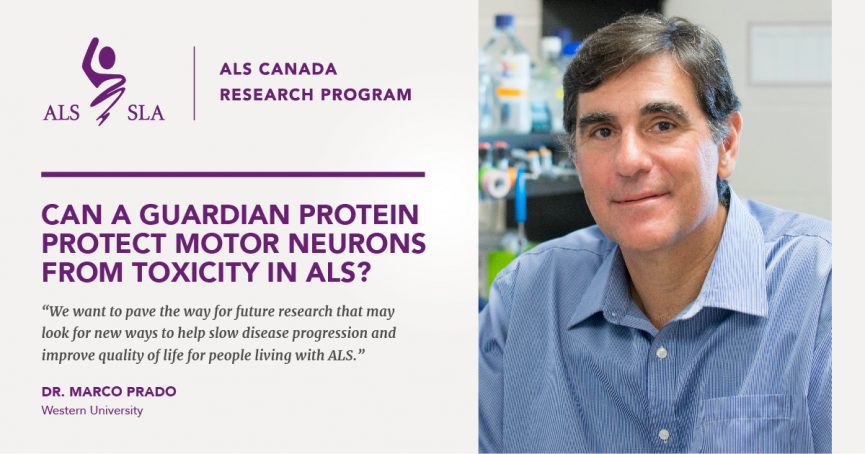
Can a guardian protein protect motor neurons from toxicity in ALS?
December 19, 2017
Proteins are the workhorses inside cells, responsible for almost all cellular functions. To perform their tasks correctly, they must fold into the right 3D shapes. If they take on the wrong shape, they can stick together and form clumps. If... Read More
Posted in: Research